


October in the city has a certain theatricality. The air sharpens and the evenings draw in, presenting a unique design challenge: the Halloween costume. It is an exercise in temporary architecture, an opportunity to construct a new persona for a single night.
The objective is not to chase a fleeting trend but to build a functional and impactful look with intention. A well-executed costume, much like a well-designed space, relies on a strong foundation, thoughtful details, and a clear point of view. It should feel both intelligent and effortless.
Thinking about your objective, the context of the evening, and your personal aesthetic is crucial. A strategic approach ensures you construct a look that is not only visually compelling but also a seamless extension of your style. The right pieces will not only create a character but will also allow you to navigate the night with confidence and ease.
Constructing Your Look: A Strategic Blueprint
Before any component is selected, a moment of strategy is required. This ensures the final composition is not only effective but also an authentic choice for you.
- What is the objective of your composition? Are you aiming for an alluring and minimalist statement, a timeless and iconic character, or an unforgettable and dramatic effect?
- What is the context for the evening? A crowded gathering in a downtown loft requires a different approach than an intimate dinner party or a formal, themed gala. Consider mobility and comfort.
- What is your aesthetic foundation? Do you prefer a look that is graphic and minimalist, layered and textural, or clever and conceptual?
- How will you assemble the look? The most successful costumes are often a thoughtful integration of existing wardrobe essentials with a few key, curated accessories.
Answering these questions will guide you toward a sophisticated, intelligent, and highly functional Halloween costume.
The Principles of Assembly & Execution
A successful Halloween costume is a complete composition. Its power lies in the cohesion of its parts. Focusing on these key principles will elevate any concept from a simple outfit to a fully realized character.
- The Foundation: Begin with a solid base, often a hardworking piece from your own closet. A black silk slip dress, a structured blazer, or a pair of perfectly-worn denim can serve as the starting point for countless concepts.
- The Details: Makeup and accessories provide the narrative. A precisely drawn liquid liner can define a character as much as a prop. These elements must be chosen with intention to support the core concept.
- The Silhouette: Pay attention to the overall shape and form. Whether it is the sharp shoulder of a blazer or the soft drape of a sheet, the silhouette communicates the costume’s core message instantly.
Versatile, high-quality basics are your most valuable assets. This strategy ensures you look polished and feel comfortable, no matter where the evening leads.
My Edit: 10 Versatile Costume Blueprints
Here are ten foundational costume concepts that can be constructed with style and intention. Each one serves as a blueprint, adaptable to your specific aesthetic and objective.
1. The Vampire: A Study in Dark Tailoring
This iconic silhouette is a lesson in nocturnal elegance, perfect for a sophisticated cocktail gathering or a dramatic, formal affair.

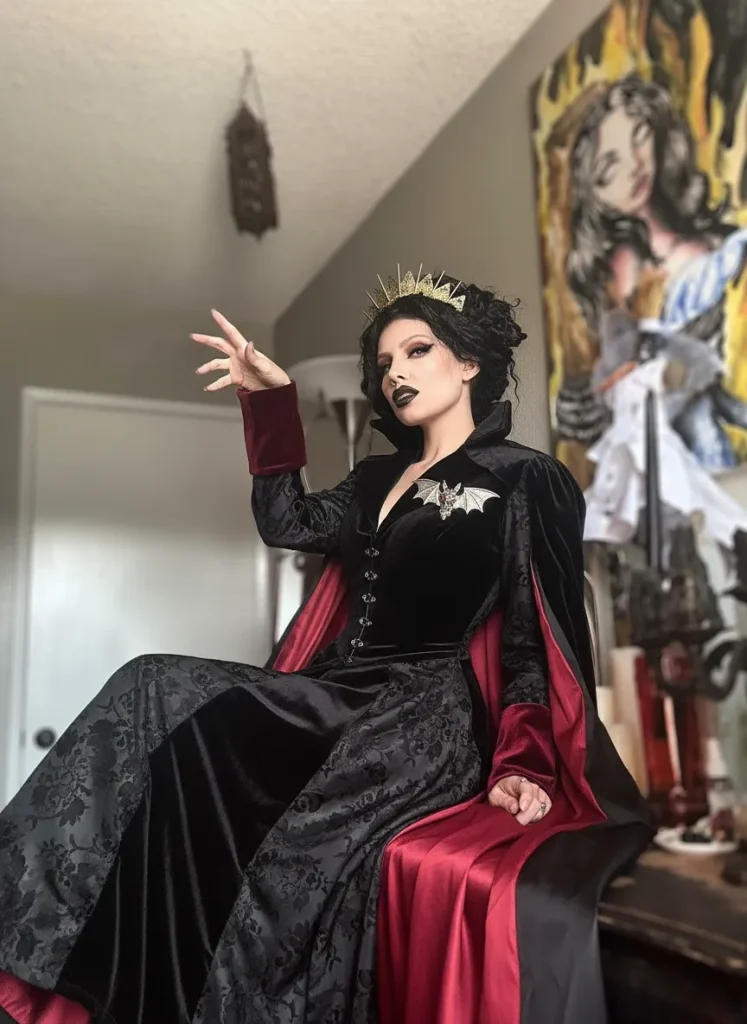
- The Composition & Objective: The Vampire can be alluringly minimalist, relying on luxurious textures like velvet and silk, or it can be rendered as an unforgettable, classic monster through more theatrical makeup.
- The Blueprint: A foundation of dark, formal separates. A velvet blazer or a floor-length silk dress provides the structure. The essential details are a pair of well-made fangs and a single, artful drop of theatrical blood.
- Structural Details: For a modern, alluring look, focus on a clean silhouette and impeccable grooming. For a more classic and dramatic effect, a high-collared shirt or a simple cape adds necessary volume.
- Curator’s Note: Restraint is key. The most effective vampire composition relies on the power of suggestion rather than overt gore.
2. The Witch: An Exercise in Layered Texture
The most versatile of archetypes, the witch allows for an endless study in form, from sleek and modern to richly layered and bohemian.

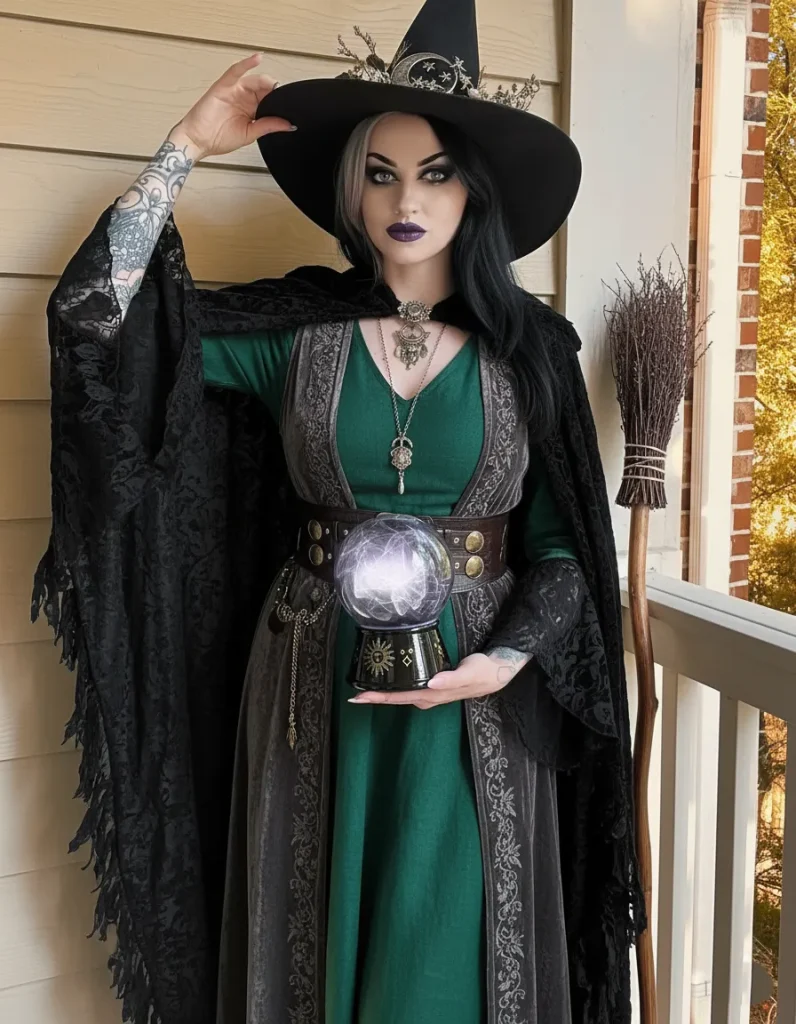
- The Composition & Objective: This look can be a modern and alluring occultist, a timeless and classic storybook figure, or an unforgettable and textural crone.
- The Blueprint: The non-negotiable architectural elements are a pointed hat and a broom. The foundation can be a simple black column dress, flowing layers of silk and linen, or heavily textured wools.
- Structural Details: Pair a minimalist black dress with a structured, wide-brimmed hat for a modern interpretation. For a more dramatic look, focus on layering textures and applying prosthetic makeup for a complete transformation.
- Curator’s Note: The power of this costume is in its adaptability. A beautiful hat can elevate the simplest black dress into a complete and intentional look.
3. The Ghost: A Minimalist Form Study
This composition is about pure form and silhouette. It can be interpreted as a soft, classic shape or a genuinely unsettling, deconstructed form.

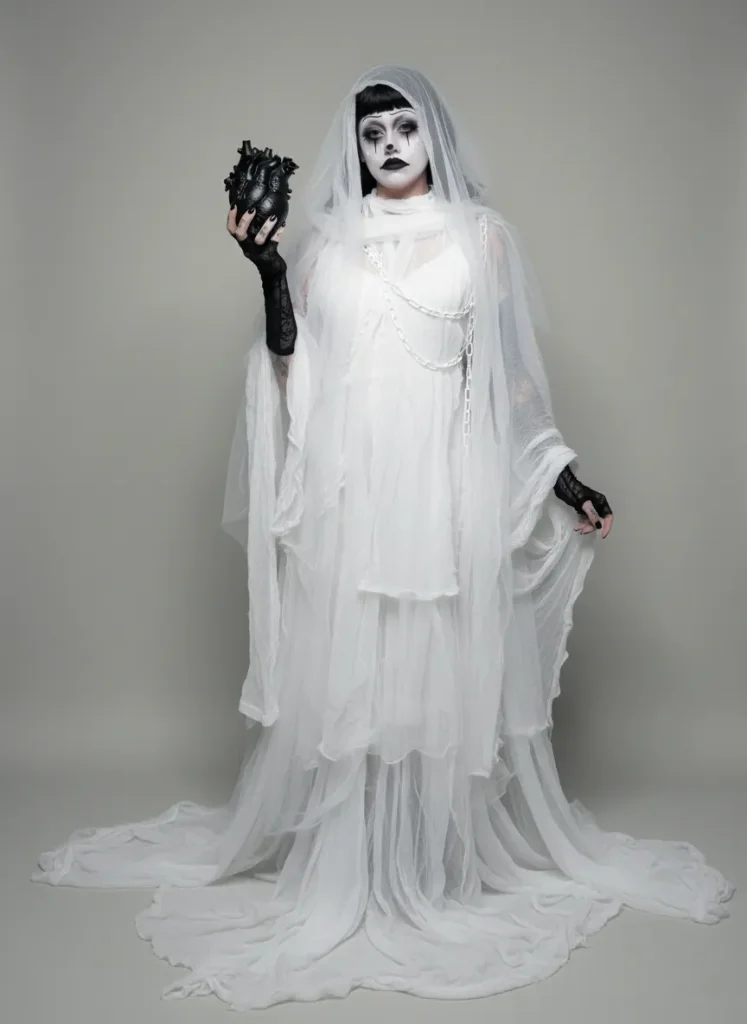
- The Composition & Objective: The Ghost is a timeless and classic form, universally understood. With creative draping and texture, it can be elevated to an unforgettable and ethereal specter.
- The Blueprint: A simple white sheet provides the base silhouette. For a more sophisticated composition, use draped cheesecloth or layers of white tulle over a simple slip dress. White chains or other hardware can add a point of interest.
- Structural Details: For a classic look, keep the lines clean. For a more dramatic effect, shred and age the fabric. Ethereal, pale makeup with grey contouring around the eyes and hands completes the illusion.
- Practical Perks: An excellent solution for a last-minute invitation. Its impact comes from its stark simplicity and graphic quality.
4. The Zombie: Deconstruction as a Design Principle
This is a purely unforgettable look. The entire principle is deconstruction: taking a conventional outfit and systematically distressing it to tell a story.

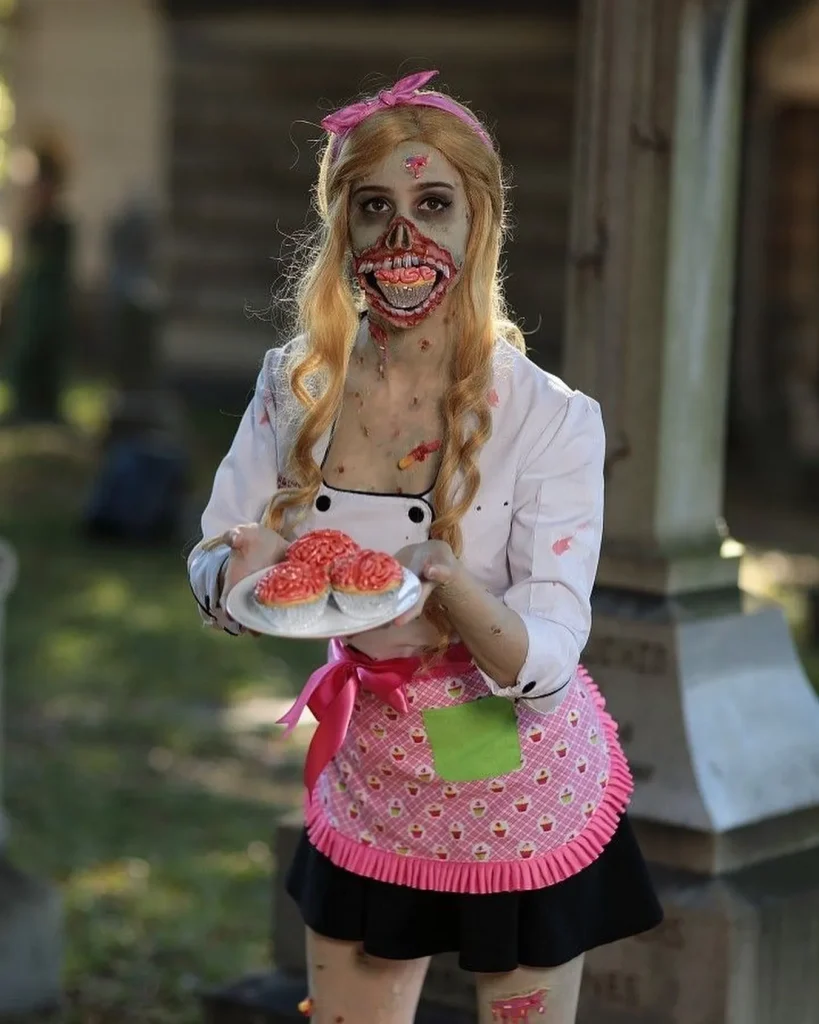
- The Composition & Objective: This is a definitive dramatic look. The objective is to appear as if you have undergone a significant transformation, with a focus on textural decay and a muted, earthy palette.
- The Blueprint: Begin with discarded clothing. The process involves distressing the fabric through tearing and staining with dirt, coffee, and theatrical blood. The key is the application of special effects makeup.
- Structural Details: Any conventional uniform can be deconstructed. A zombie bride or a zombie doctor is a strong concept. The contrast between the original purpose of the clothing and its final state is what makes it compelling.
- Curator’s Note: The physical performance is part of the composition. A slow, deliberate movement pattern is essential to selling the character.
5. The Black Cat: A Lesson in Graphic Simplicity
The definitive blueprint for an alluring, low-effort look. Its success lies in its graphic clarity and minimalist execution.

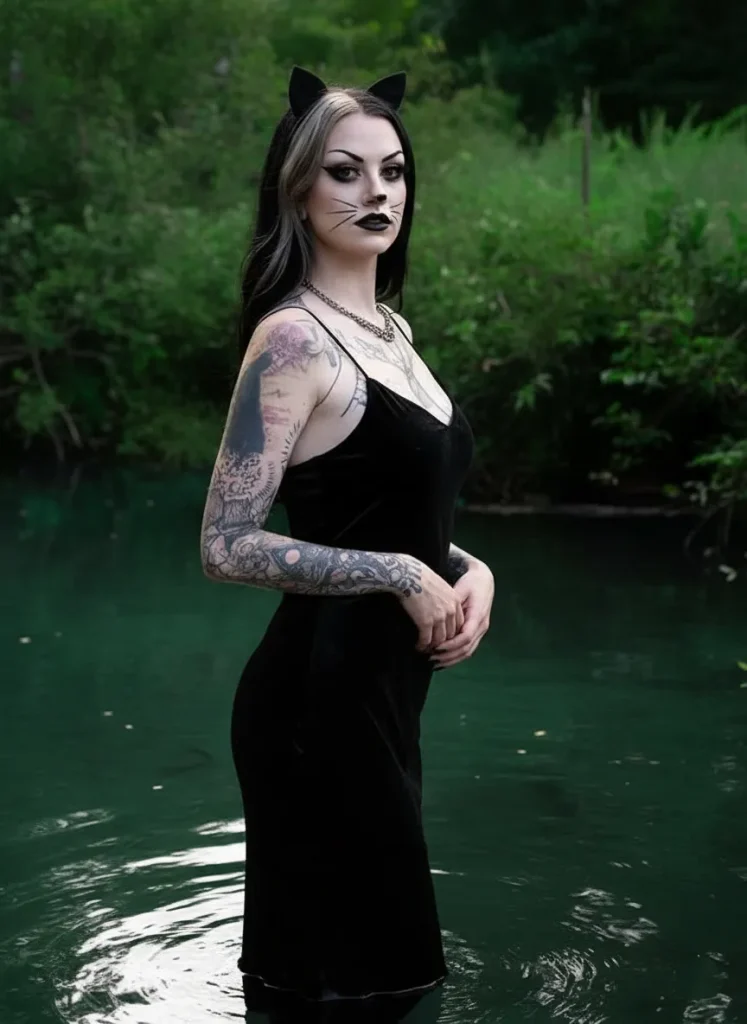
- The Composition & Objective: An alluring and playful composition. It is chic, understated, and universally recognizable.
- The Blueprint: The formula is simple: a monochrome black base + sculpted eyeliner + minimalist ears. The foundation can be a black bodysuit, a cashmere sweater with leggings, or a simple slip dress.
- Structural Details: The focal point is the makeup. A precise, elongated cat-eye liner, paired with a carefully drawn nose and whiskers, provides all the necessary information. The accessories should be equally minimal.
- Practical Perks: This look is built from wardrobe staples, making it both comfortable and economical. It is the epitome of effortless chic.
6. The Devil: A Monochrome Statement in Red
This composition is a powerful study in a single color. It is about confidence, sharp lines, and unapologetic presence.

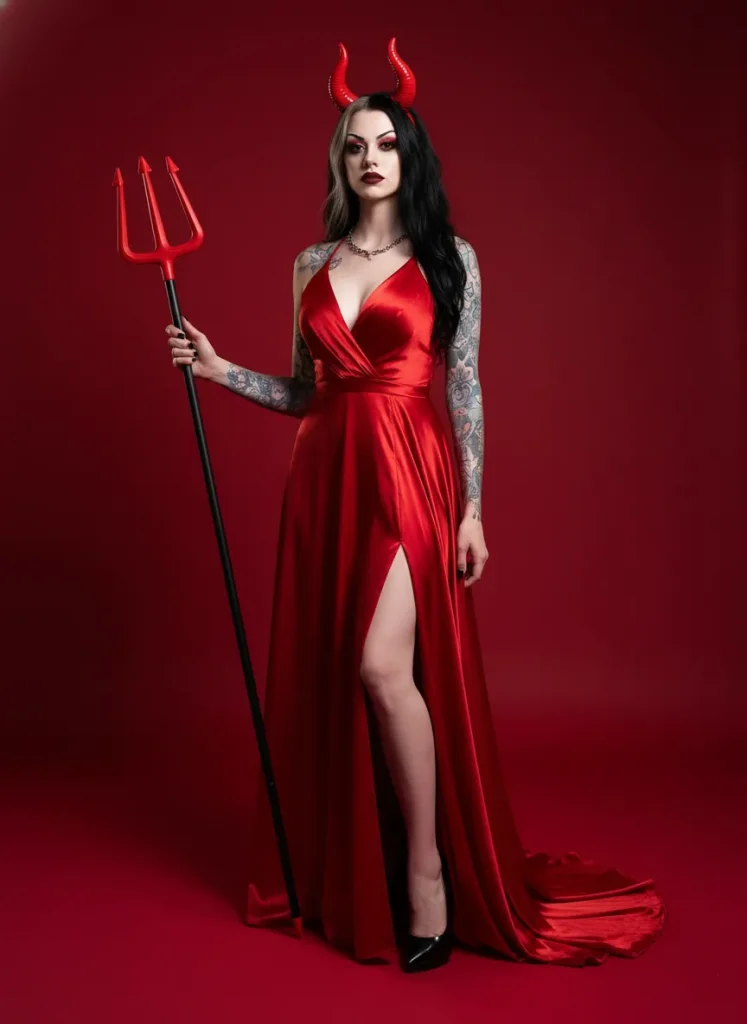
- The Composition & Objective: An inherently alluring statement. The look is powerful, graphic, and requires a certain confidence to carry.
- The Blueprint: A head-to-toe red ensemble. This could be a red silk dress, a tailored pantsuit, or vinyl separates. The essential accessories are a pair of structured horns and a pitchfork to complete the graphic line.
- Structural Details: The silhouette should be sharp and clean. Pair the look with a dramatic smoky eye and a perfectly applied deep red lip.
- Practical Perks: Instantly recognizable. The core components are easy to procure and style, yet the final effect is always high-impact.
7. The Scarecrow: An Authentic Autumn Palette
This look channels an authentic harvest aesthetic. It can be styled as either a charming, classic figure or a deeply unsettling character.

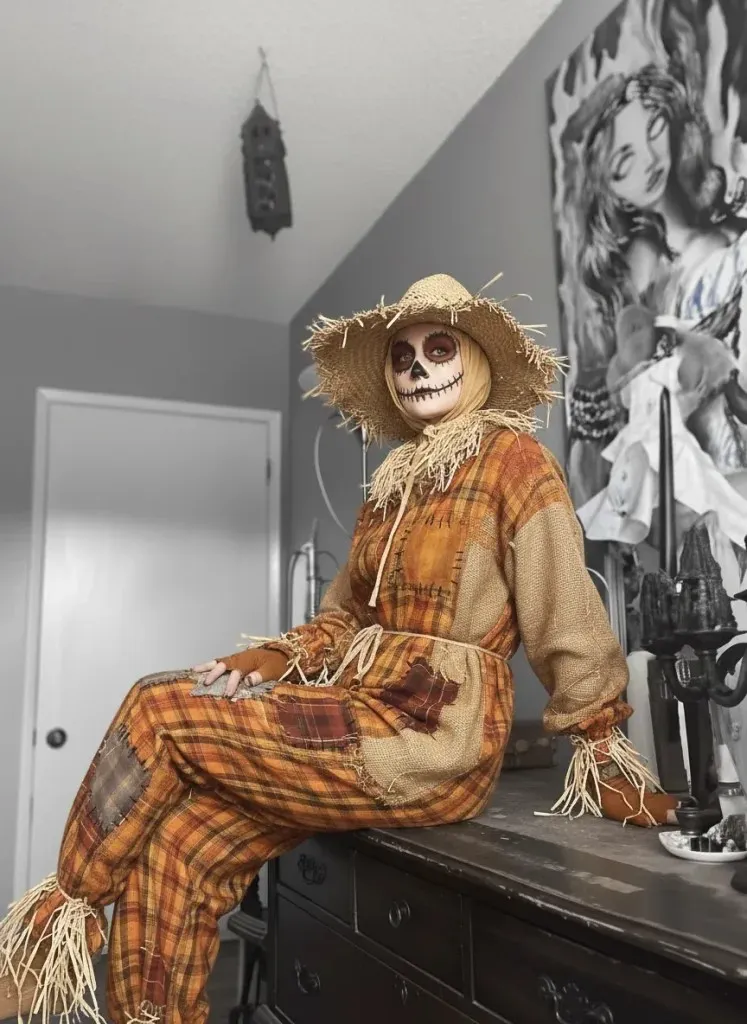
- The Composition & Objective: This composition can be rendered as timeless and classic, recalling pastoral charm, or as an unforgettable horror archetype.
- The Blueprint: The foundation is a flannel shirt, worn denim, and a straw hat. Rope or twine can be used as a belt and to define the wrists and ankles.
- Structural Details: For a classic interpretation, use face paint to create rosy cheeks and a stitched smile. For a more unsettling look, use dark makeup to create sunken eyes and a jagged mouth, perhaps paired with a burlap sack mask.
- Curator’s Note: Adding small tufts of straw or raffia to the cuffs, collar, and hatband provides a crucial textural detail that completes the look.
8. The Skeleton: A Bold, Graphic Statement
This is a high-contrast, graphic composition. It can be interpreted as a stark memento mori or a stylized, almost fashionable, take on anatomy.

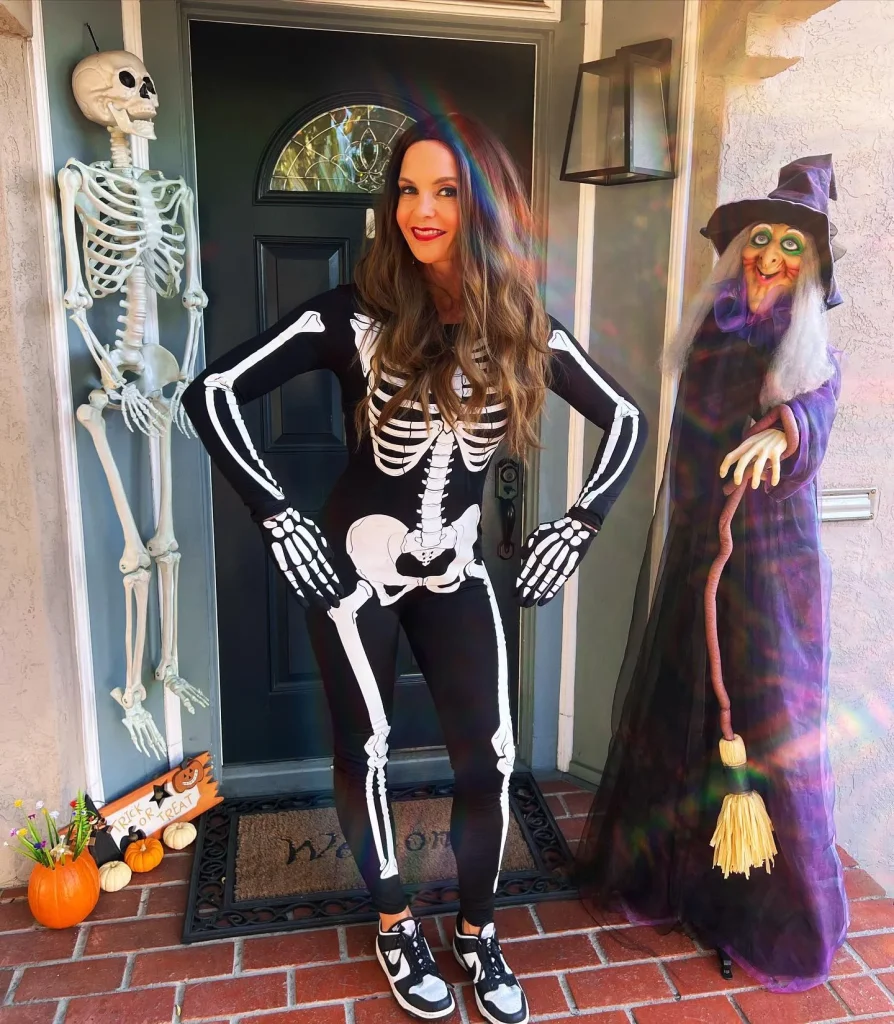
- The Composition & Objective: A skeleton can be an unforgettable and stark visual, or it can be styled with a high-fashion sensibility for an alluring, graphic effect.
- The Blueprint: A simple black base, such as a bodysuit or leggings and a long-sleeve top. The skeleton can be a pre-printed design or painted on with white fabric paint.
- Structural Details: The entire look hinges on the facial makeup. Mastering the hollowed, skull-like effect with black and white makeup is the central task. Adding metallic or jewel details can elevate the look to something more glamorous.
- Practical Perks: The makeup itself is a costume. Even without the full outfit, a well-executed skull makeup is a complete and powerful statement.
9. The Pirate: A Masterclass in Accessorizing
This look is about curated chaos. It is a composition built from layers, textures, and an abundance of well-chosen accessories.

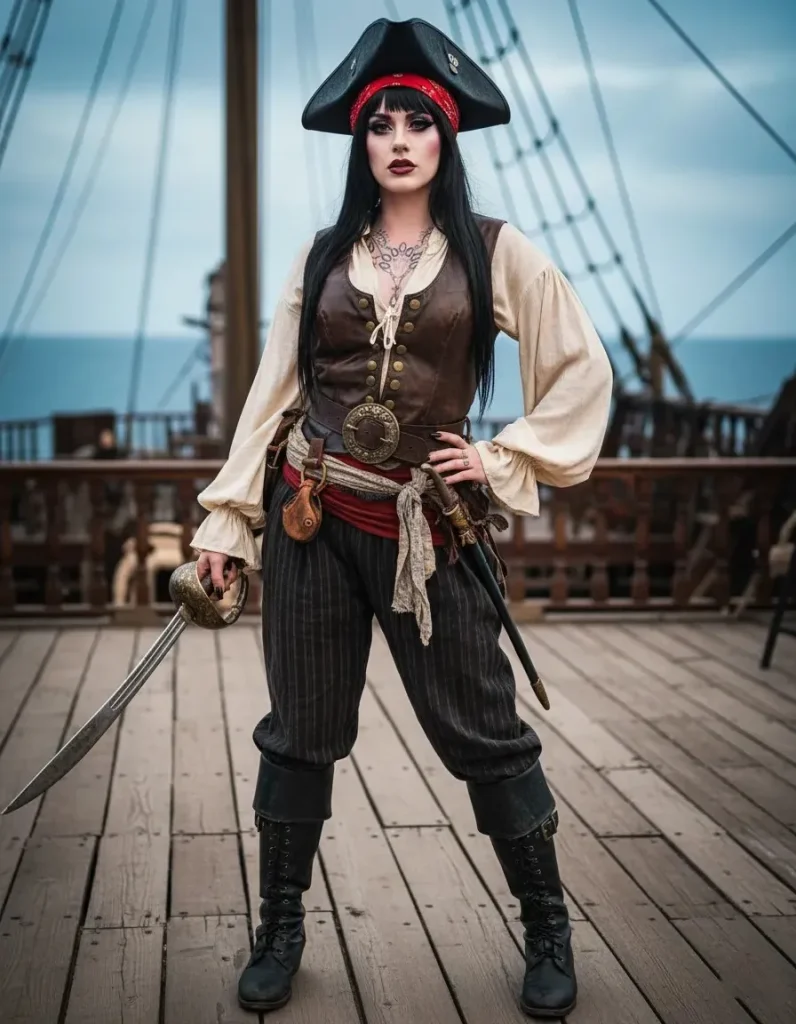
- The Composition & Objective: A pirate can be a charming and alluring rogue or a gritty and unforgettable sea captain. The character is defined by the details.
- The Blueprint: The foundation includes a loose, billowy shirt, a vest, and worn trousers tucked into boots. A bandana or tricorn hat, a wide leather belt, and a prop sword are essential narrative elements.
- Structural Details: Heavy black eyeliner is a key component. Layering is critical; the more belts, sashes, and mismatched fabrics, the more authentic the composition feels.
- Curator’s Note: Focus on the materials. Worn leather, tarnished brass, and rough linen will do more to build the character than shiny, new costume pieces.
10. The Angel: An Ethereal, Monochromatic Look
A classic for its purity of form and simple elegance. It is a study in white, light, and soft texture.

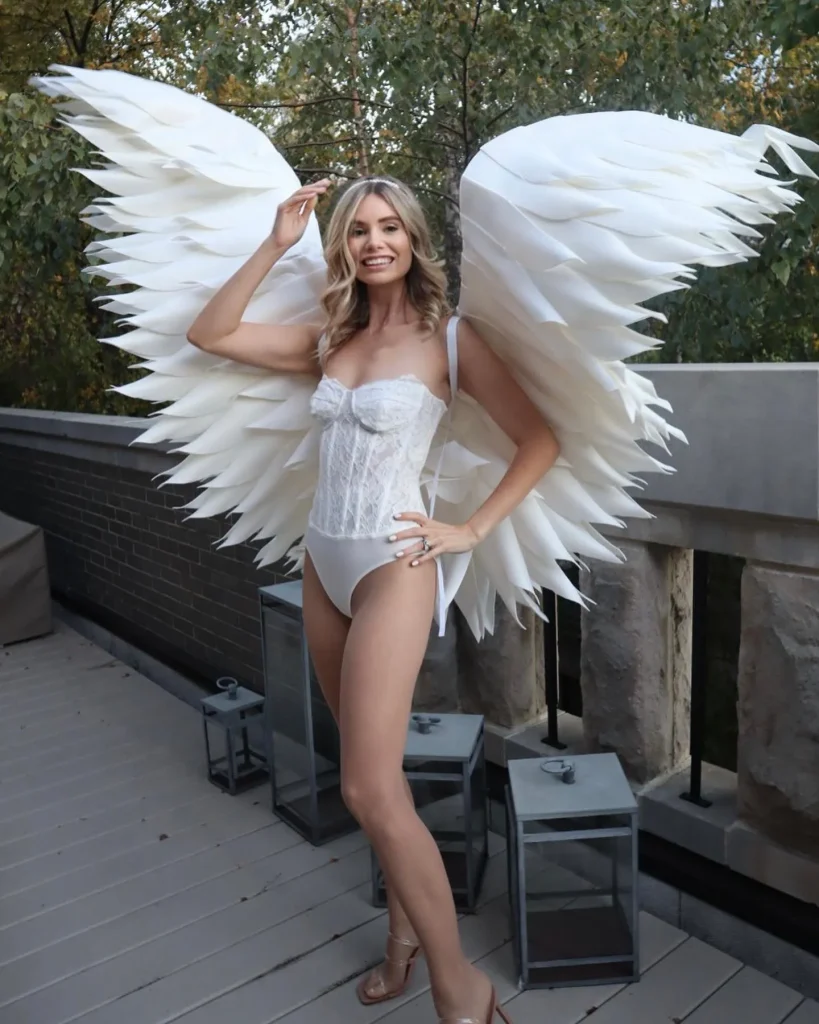
- The Composition & Objective: A timeless and classic look that is universally understood. It can also be interpreted as a more modern, alluring celestial being.
- The Blueprint: An all-white outfit serves as the canvas. A white dress, a tailored suit, or even simple separates will work. The only required architectural elements are a halo and a pair of wings.
- Structural Details: Use highlighter, shimmer, and iridescent eyeshadow to create a luminous effect. For a “fallen angel” interpretation, use black wings, a darker palette, and smudged eyeliner.
- Practical Perks: Simple to assemble and always appropriate. It is a comfortable and elegant solution for nearly any Halloween event.
Final Composition: Defining Your Persona
See how these blueprints can be assembled to fit your specific objective for the evening:
- The Alluring Minimalist: The Black Cat blueprint, executed with a silk slip dress and precise eyeliner. Or, The Devil, composed of a red pantsuit and understated horns.
- The Timeless Classicist: The Witch, built from a simple black dress and a beautifully crafted hat. Or, The Ghost, using layers of draped tulle for a more sophisticated silhouette.
- The Unforgettable Visionary: The Zombie, created by meticulously deconstructing a thrifted wedding dress. Or, The Skeleton, with hyper-realistic facial makeup that becomes the entire focus.
Conclusion: Curating Your Halloween Identity
Approaching your Halloween costume as a design project transforms it from a novelty into an act of intention. It is an opportunity to experiment with a new silhouette, to play with theatrical details, and to construct a complete persona from a well-defined blueprint.
By using versatile, foundational pieces, you can build an intelligent wardrobe that functions for your life and, for one night, for the character you wish to become.