
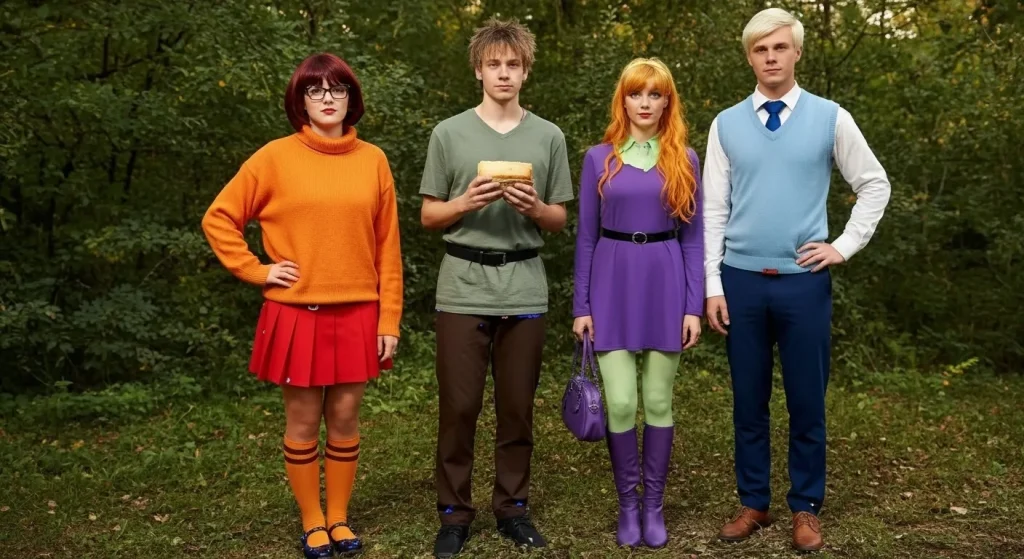

The autumn air in the city has a distinct clarity. It signals a shift not just in temperature, but in the rhythm of our social lives. Halloween, for many, is a moment of pure creative expression, but I view it as a unique design challenge. The task is to create a coordinated group aesthetic that is clever, recognizable, and executed with intention.
It is not about elaborate, store-bought costumes. Instead, it is an exercise in composition. The goal is to build a cohesive visual story using foundational wardrobe pieces. A successful group concept functions like a well-designed system: each individual element is strong on its own, but together, they create something more impactful.
Thinking about your group’s collective style, the context of the evening, and the clarity of your chosen theme is the first step. A well-curated concept ensures every member feels confident and integrated. It transforms a simple gathering into an opportunity for polished, memorable self-expression.
The right concept makes for a striking visual, certainly, but it also serves as a testament to the power of a well-considered plan.
A Strategic Framework: Key Compositional Questions
Before a single piece is selected, your group should align on the architectural brief for your concept. This ensures the final execution is both cohesive and authentic.
- What is our core aesthetic? Does our group lean toward graphic and bold, classic nostalgia, or a more abstract, artistic interpretation?
- What is the required investment of time and resources? Are we building this from existing wardrobe staples, or does the concept require sourcing specific matching garments?
- What is the context of the event? Will we be navigating a crowded indoor space where streamlined silhouettes are practical, or an outdoor setting that requires layering?
- How do we ensure immediate recognition? Does the concept rely on a clear color palette, iconic silhouettes, or specific props to communicate the theme effectively?
Answering these questions provides the blueprint for a sophisticated and successful group execution.
Executing the Concept: Principles for Cohesion
A successful group costume is an exercise in visual harmony. It requires more than similar outfits; it requires a shared understanding of the final composition.
- Establish a Clear Theme: Select a concept with four distinct, readable roles. This allows each individual to have a clear identity within the larger framework.
- Assign Roles with Intention: Finalize each person’s role early in the process. This provides ample time for each member to source their specific components.
- Focus on Essential Identifiers: Perfect replication is unnecessary. The most effective concepts are built on key visual cues: a specific color, a defining accessory, or an iconic silhouette.
- Embody the Composition: The final element is performance. The power of a group concept is fully realized when you present yourselves as a cohesive unit.
Strategic planning is the foundation for transforming a simple idea into a polished and impactful visual statement.
The Edit: 10 Concepts for a Flawless Group Execution
Here are ten curated concepts that provide a strong foundation for a group of four. Each is achievable, recognizable, and built upon the principles of smart, intentional styling.
1. The Scooby-Doo Gang: A Study in Retro Archetypes
This concept is a masterclass in character definition through a specific color palette. It is a timeless composition that allows each role to be instantly clear.

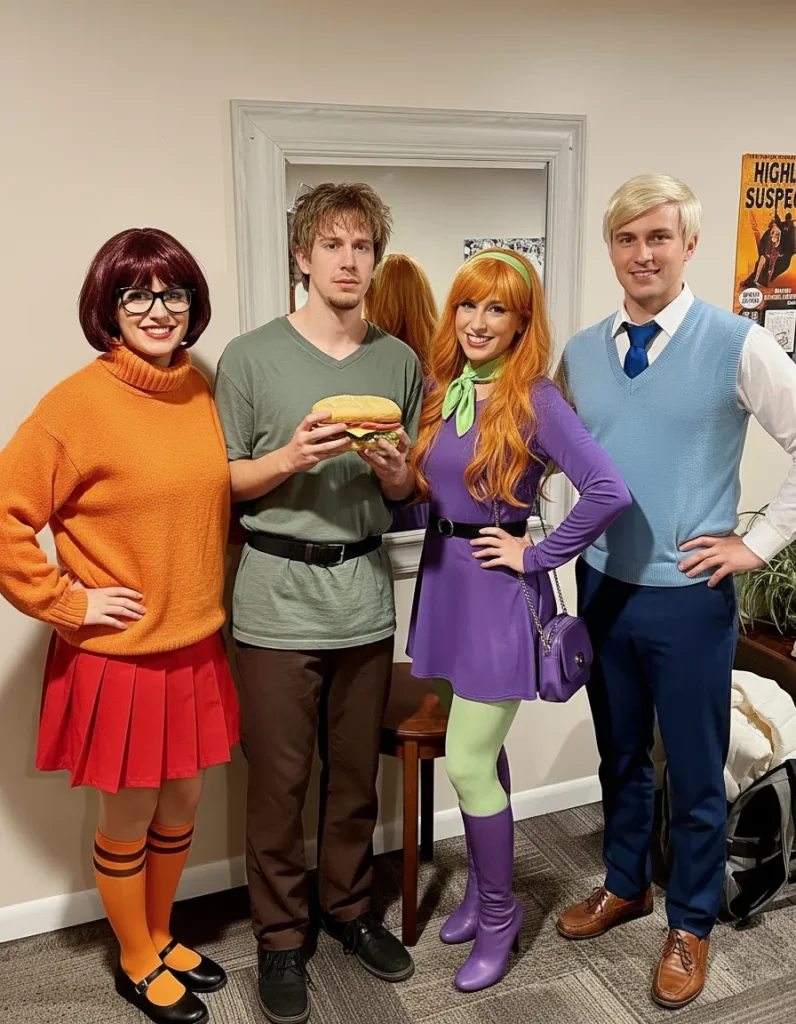
- The Aesthetic: A balanced mix of 1970s prep and bohemian styles. The visual language is rooted in saturated, nostalgic color.
- Ideal Context: A group with mixed genders that appreciates classic animation and character-driven style.
- The Wardrobe Blueprint:
- Fred: A blue collared shirt, white knit sweater, and classic blue denim.
- Daphne: A simple purple dress or top-and-skirt set with a green neck scarf.
- Velma: An orange turtleneck sweater, a red A-line skirt, and knee socks.
- Shaggy: A muted green t-shirt and brown or tan trousers.
- Key Accents: Velma’s structured black eyeglasses, Daphne’s headband, and Fred’s orange ascot, which can be replicated with a simple silk ribbon.
- Compositional Notes: The strength of this concept is its reliance on solid blocks of color. Each outfit is simple, but the collective palette is graphic and unmistakable.
2. The Ghostbusters: A Uniform Approach
This concept explores the power of a unified silhouette. It is a practical and instantly recognizable choice that projects a sense of teamwork.

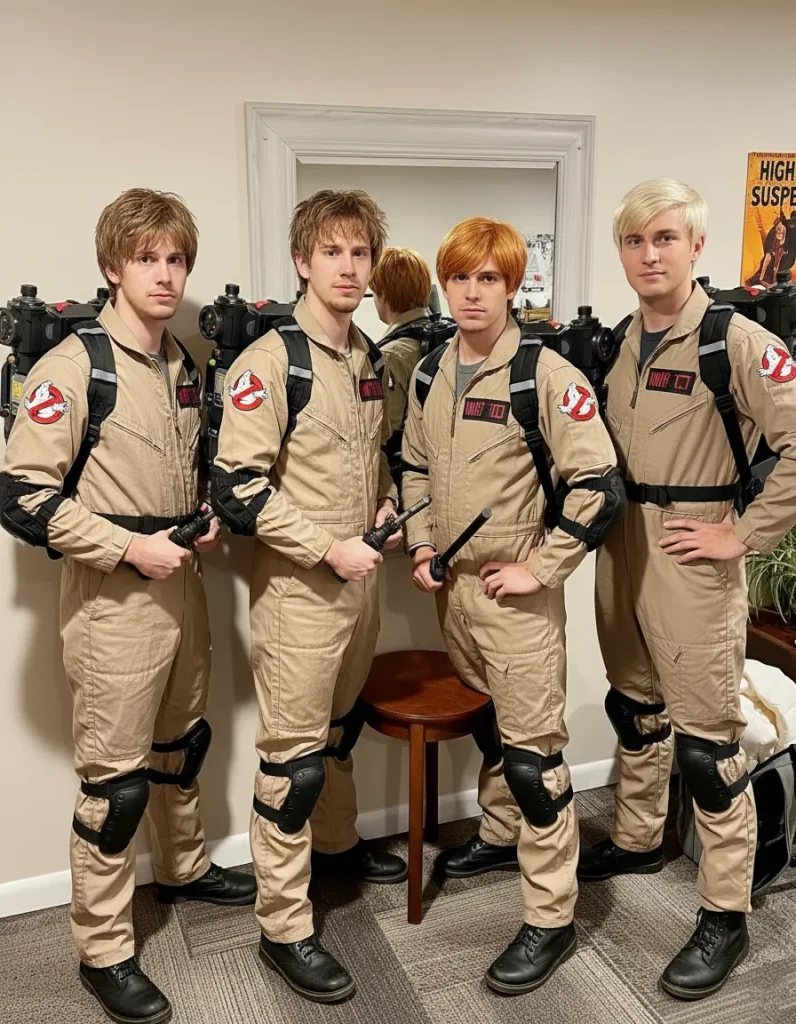
- The Aesthetic: Utilitarian, functional, and iconic. The uniform itself is the central design element.
- Ideal Context: Any group seeking a comfortable, cohesive look suitable for a variety of settings.
- The Wardrobe Blueprint: Four sets of tan or khaki coveralls. Alternatively, tan work shirts paired with matching trousers achieve the same effect.
- Key Accents: Black boots, simple black gloves, and utilitarian backpacks to serve as “Proton Packs.” A printed logo affixed to the sleeve completes the look.
- Compositional Notes: This is the ultimate execution of a group uniform. The visual impact comes from the repetition of form and color, creating a strong, unified presence.
3. The Four Seasons: An Abstract Composition
This is an elegant, artistic concept that allows for significant individual interpretation within a clear, overarching theme.

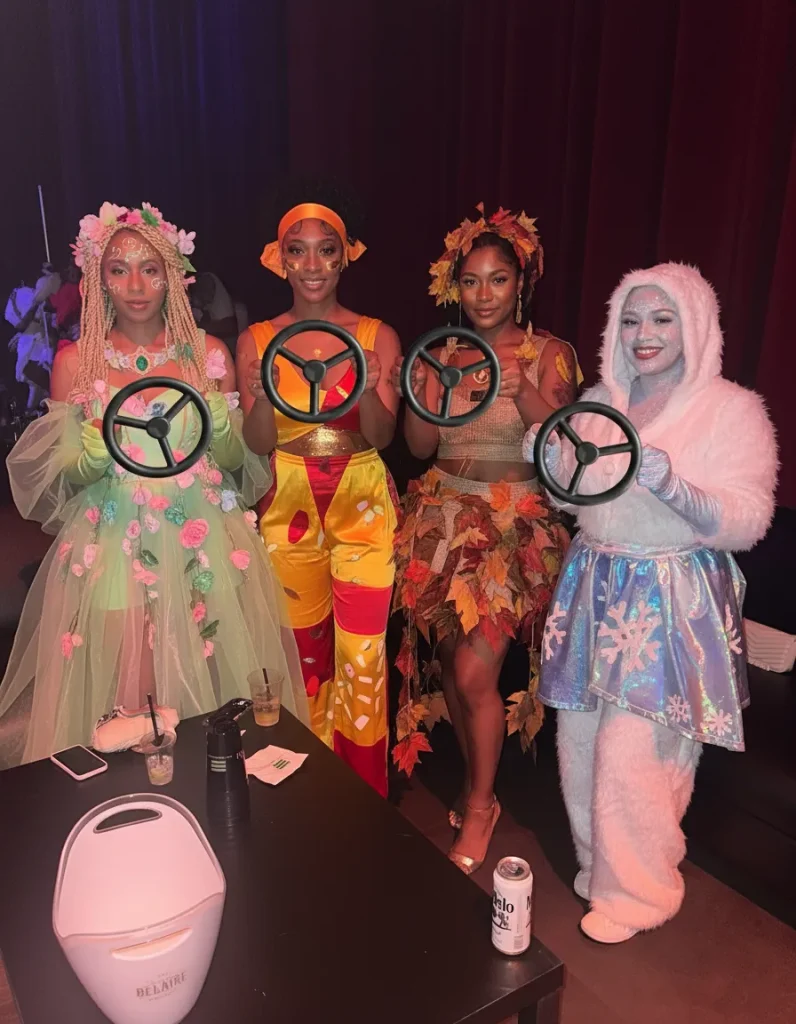
- The Aesthetic: Can be interpreted as ethereal and organic or as modern and minimalist, depending on the styling. Each person embodies a specific seasonal palette.
- Ideal Context: Creative groups who prefer a more sophisticated, conceptual theme over a direct pop culture reference.
- The Wardrobe Blueprint:
- Spring: A dress or separates in a palette of soft pastels like rose, mint, or pale yellow.
- Summer: An outfit in saturated, bright hues like sunflower yellow, sky blue, or poppy orange.
- Fall: Separates in a rich, warm palette of terracotta, mustard, burgundy, and brown.
- Winter: A monochromatic outfit in shades of white, silver, or ice blue.
- Key Accents: Faux florals for Spring, classic sunglasses for Summer, a circlet of autumn leaves for Fall, and a dusting of cosmetic glitter for Winter.
- Compositional Notes: The beauty of this concept is in the juxtaposition of the four distinct color stories. When assembled, the group forms a complete and harmonious visual spectrum.
4. The Wizard of Oz: Classic Cinematic Characters
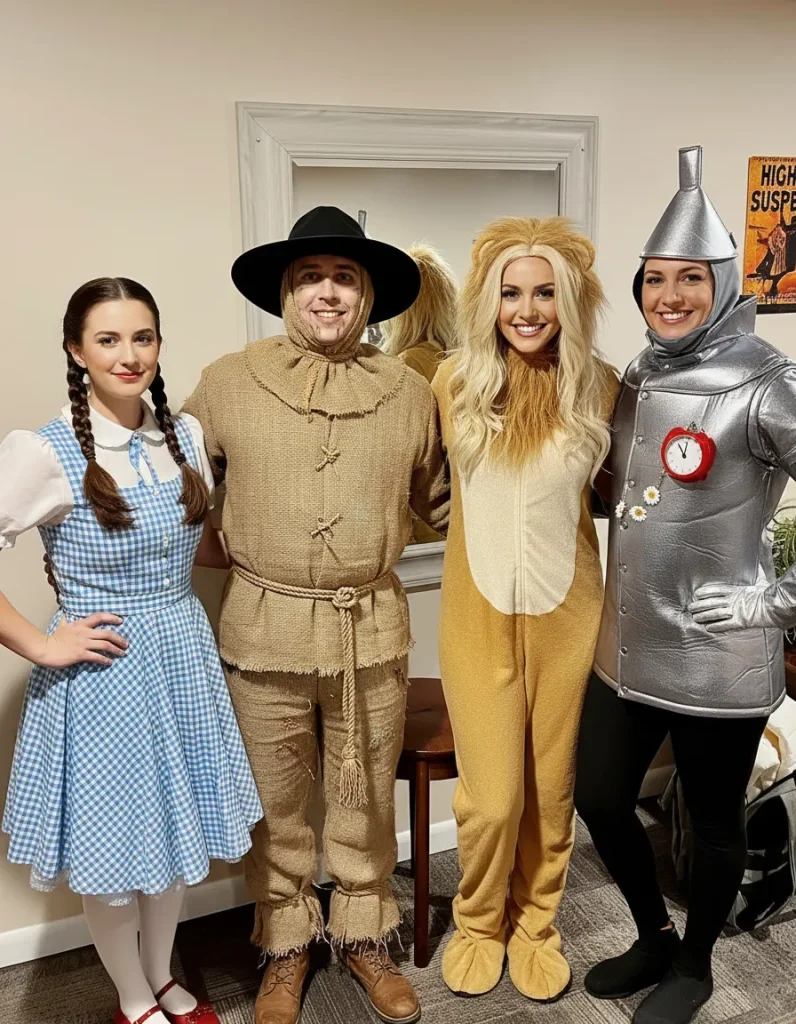
This composition draws from one of cinema’s most iconic visual narratives. Each character is a distinct archetype, creating a balanced and charming group aesthetic.

- The Aesthetic: Whimsical, storybook charm with a foundation in classic Americana.
- Ideal Context: A group that appreciates timeless films and clearly defined character roles.
- The Wardrobe Blueprint:
- Dorothy: A blue and white gingham dress or a simple jumper layered over a white blouse.
- Scarecrow: A classic flannel shirt paired with relaxed-fit blue jeans.
- Tin Man: A monochromatic grey sweatsuit or grey separates.
- Cowardly Lion: A monochromatic tan or brown sweatsuit.
- Key Accents: Dorothy’s red shoes. Small bunches of straw tucked into the Scarecrow’s cuffs. A funnel-shaped hat crafted from silver cardstock for the Tin Man.
- Compositional Notes: This concept is a study in texture and form. The key is to distill each character down to their most essential visual elements.
5. Teenage Mutant Ninja Turtles: A Graphic Novel Palette
A minimalist and graphic interpretation of a nostalgic favorite. The concept is built entirely on color-coding and simple silhouettes.

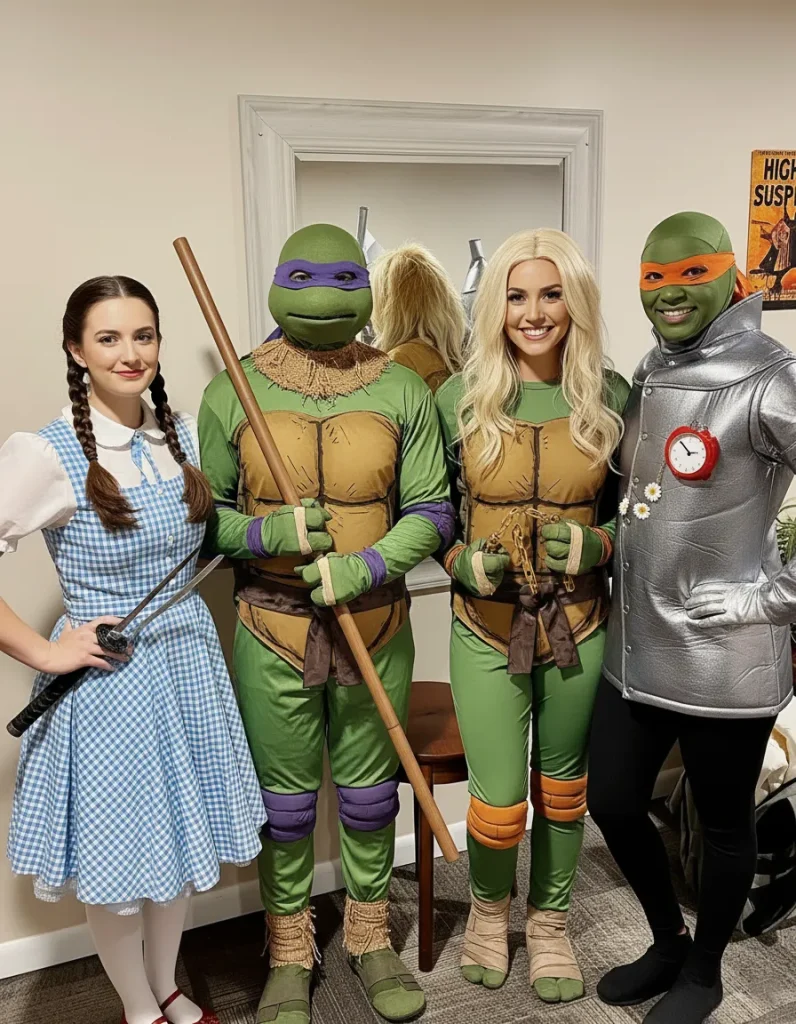
- The Aesthetic: Casual, athletic, and playful. The design relies on bold, primary colors against a neutral green base.
- Ideal Context: A relaxed group seeking a comfortable, low-effort concept with high recognizability.
- The Wardrobe Blueprint: Four green t-shirts or sweatshirts paired with simple black or grey bottoms.
- Key Accents: Fabric strips in blue, red, orange, and purple to serve as masks and belts. The turtle shells can be implied or created from simple cardboard cutouts.
- Compositional Notes: This is a formula of utmost simplicity: base color + accent color = character. It is a testament to how effective minimalist design can be.
6. The Golden Girls: A Sitcom Style Study
An homage to 1980s sitcom style, this concept finds its strength in capturing the distinct fashion personalities of four iconic women.

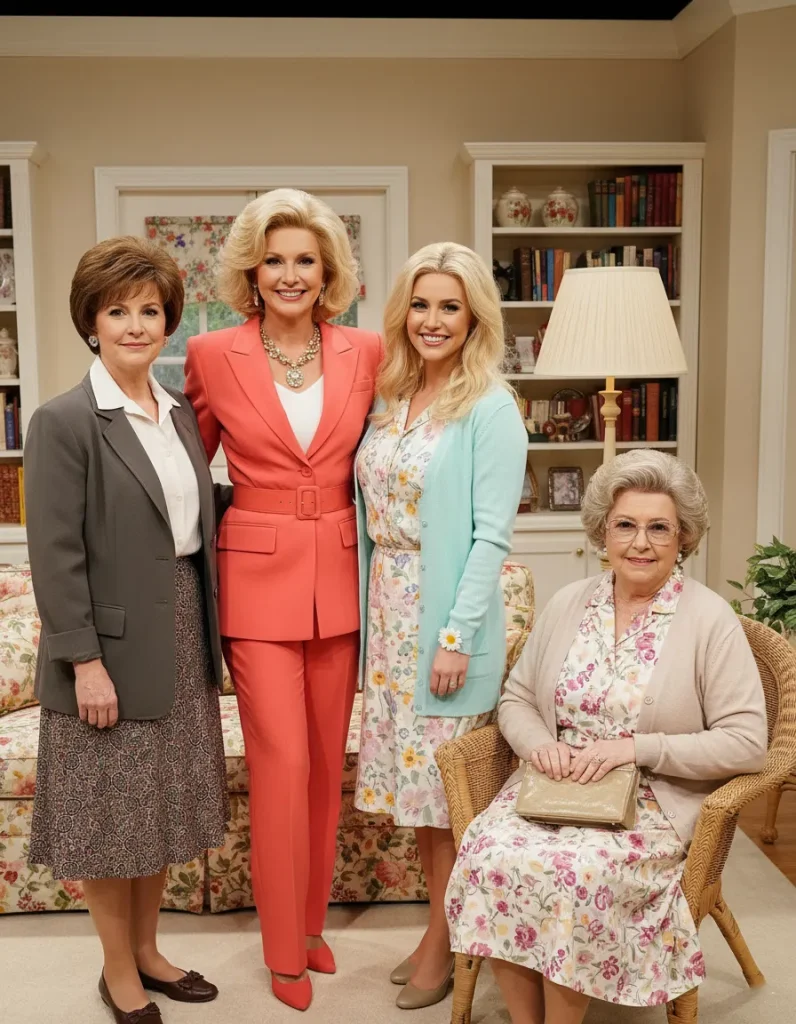
- The Aesthetic: A humorous and affectionate take on late-20th-century fashion. Think relaxed silhouettes, soft fabrics, and statement jewelry.
- Ideal Context: A group with a sharp sense of humor and an appreciation for character acting.
- The Wardrobe Blueprint:
- Dorothy: Layered silhouettes, such as a long vest over a blouse with tailored trousers.
- Rose: A knit sweater in a soft, pastel hue.
- Blanche: A silk blouse or dress, perhaps with subtle shoulder pads.
- Sophia: A printed dress with a simple cardigan buttoned to the collar.
- Key Accents: Temporary grey hair spray or simple wigs are essential. Add chunky jewelry, oversized eyeglasses, and Sophia’s signature wicker handbag.
- Compositional Notes: The success of this concept lies in the details. It is about capturing an attitude through specific silhouettes and accessory choices.
7. Mario Kart Racers: Video Game Nostalgia
This concept translates the primary color palette and iconic uniforms of a beloved video game into a clean, wearable aesthetic.

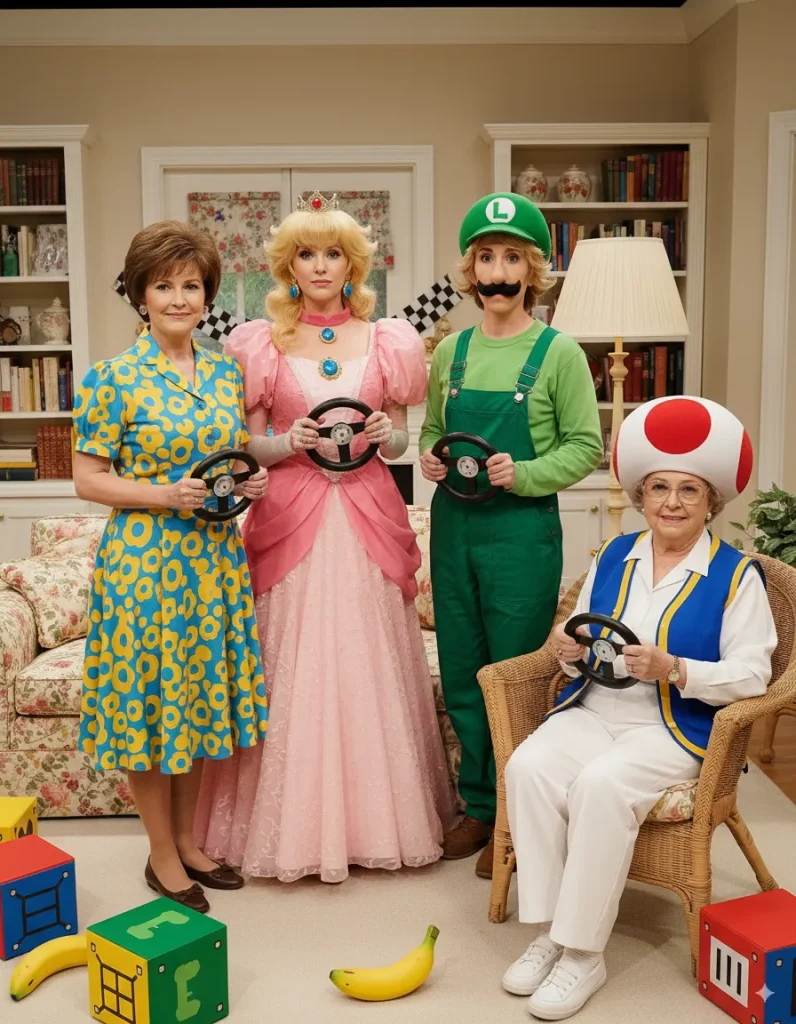
- The Aesthetic: Bright, graphic, and playful. The composition is built on a foundation of classic workwear silhouettes.
- Ideal Context: Any group that appreciates the clean, bold design of classic video games.
- The Wardrobe Blueprint:
- Mario: A red long-sleeved shirt worn under blue overalls.
- Luigi: A green long-sleeved shirt worn under blue overalls.
- Princess Peach: A simple dress in a clear shade of pink.
- Toad: White trousers paired with a blue vest over a simple white shirt.
- Key Accents: Red and green caps with felt initials. White gloves for Mario and Luigi. A simple crown for Peach.
- Compositional Notes: The visual formula here is simple and effective. The use of denim overalls provides a consistent framework that ties the two main characters together.
8. The Breakfast Club: A Study in 80s Archetypes
A tribute to a classic film, this concept relies on capturing the essence of high school archetypes through everyday clothing. The group can select their preferred four from the five central characters.

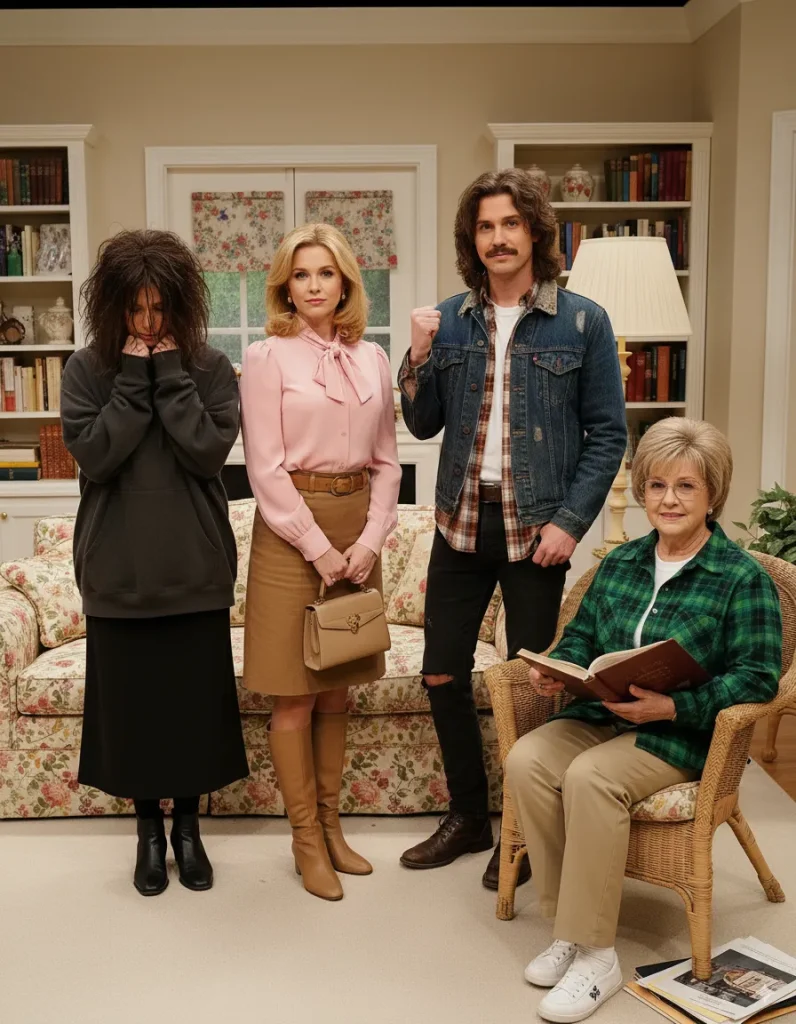
- The Aesthetic: An authentic representation of 1980s youth subcultures, from preppy to punk.
- Ideal Context: Film enthusiasts and groups who appreciate a more subtle, character-driven approach to costumes.
- The Wardrobe Blueprint:
- Bender (The Criminal): A denim jacket, red flannel shirt, and dark trousers.
- Claire (The Princess): A pink blouse, a brown skirt, and tall boots.
- Andrew (The Athlete): A varsity jacket layered over a grey sweatshirt with classic denim.
- Allison (The Basket Case): An oversized dark sweater layered over a long black skirt.
- Key Accents: Bender’s single fingerless glove. Claire’s discerning posture. The key is embodying the attitude of the archetype.
- Compositional Notes: This concept demonstrates that a powerful group costume can be assembled entirely from well-chosen wardrobe staples. The cohesion comes from the shared cinematic context.
9. The Elements: A Conceptual Approach
This abstract theme focuses on creating four distinct yet harmonious looks based on the classical elements. It is an exercise in color theory and texture.

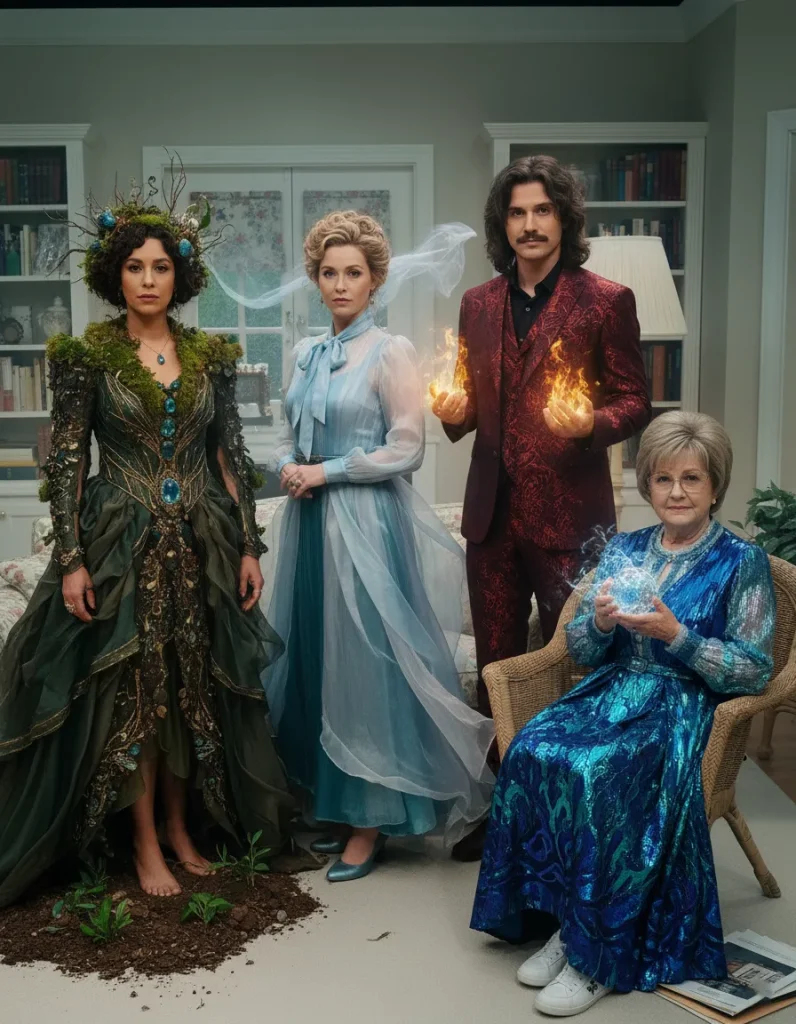
- The Aesthetic: Artistic and expressive. The final look can be sleek and modern or soft and organic.
- Ideal Context: A creative group interested in a DIY-focused concept that is visually impactful without being a direct cultural reference.
- The Wardrobe Blueprint: The foundation is a monochromatic color story for each person.
- Fire: An outfit in a palette of red, orange, and gold.
- Water: An outfit in varying shades of blue, from navy to turquoise.
- Earth: An outfit in a palette of deep green, brown, and tan.
- Air: An outfit in all white, light grey, or sheer, iridescent fabrics.
- Key Accents: Makeup and accessories are crucial for this concept. Use gold glitter for Fire, blue shimmer for Water, faux leaves for Earth, and white feathers for Air.
- Compositional Notes: When viewed together, the four individuals create a complete, balanced visual narrative. It is a sophisticated concept that relies on pure design principles.
10. Pac-Man & The Ghosts: Minimalist Graphic Design
This concept reduces iconic arcade characters to their simplest forms. It is a witty, minimalist statement that is both comfortable and immediately clear.


- The Aesthetic: Bold, graphic, and playful. The look is defined by simple shapes and a bright, limited color palette.
- Ideal Context: A group looking for a maximum-impact concept with minimal effort and maximum comfort.
- The Wardrobe Blueprint: Four oversized t-shirts or sweatshirts. One in yellow for Pac-Man, with the others in red, pink, and light blue for the ghosts.
- Key Accents: The only required additions are felt cutouts for the eyes. This simple detail is what transforms the garments into characters.
- Compositional Notes: This is a perfect example of effective, reductive design. The concept proves that a strong visual identity can be achieved with the most basic components.
Conclusion: A Curated Approach to a Creative Occasion
A group Halloween costume is simply a temporary exercise in building a functional, beautiful uniform. It is an opportunity to apply the principles of good design, color theory, and composition to a social setting. By selecting a clear concept and focusing on a few essential identifiers, your group can create a look that feels intentional, polished, and effortlessly chic. The goal is not just to dress up, but to present a cohesive, well-executed visual story.